Start with the plant in front of you
Use a clear photo to begin identification instead of searching through broad lists of leaves, flowers, and growth habits.
Plant identification app
LeafNest helps turn a plant photo into a useful starting point, so you can identify what you brought home and organize the care information that matters next.
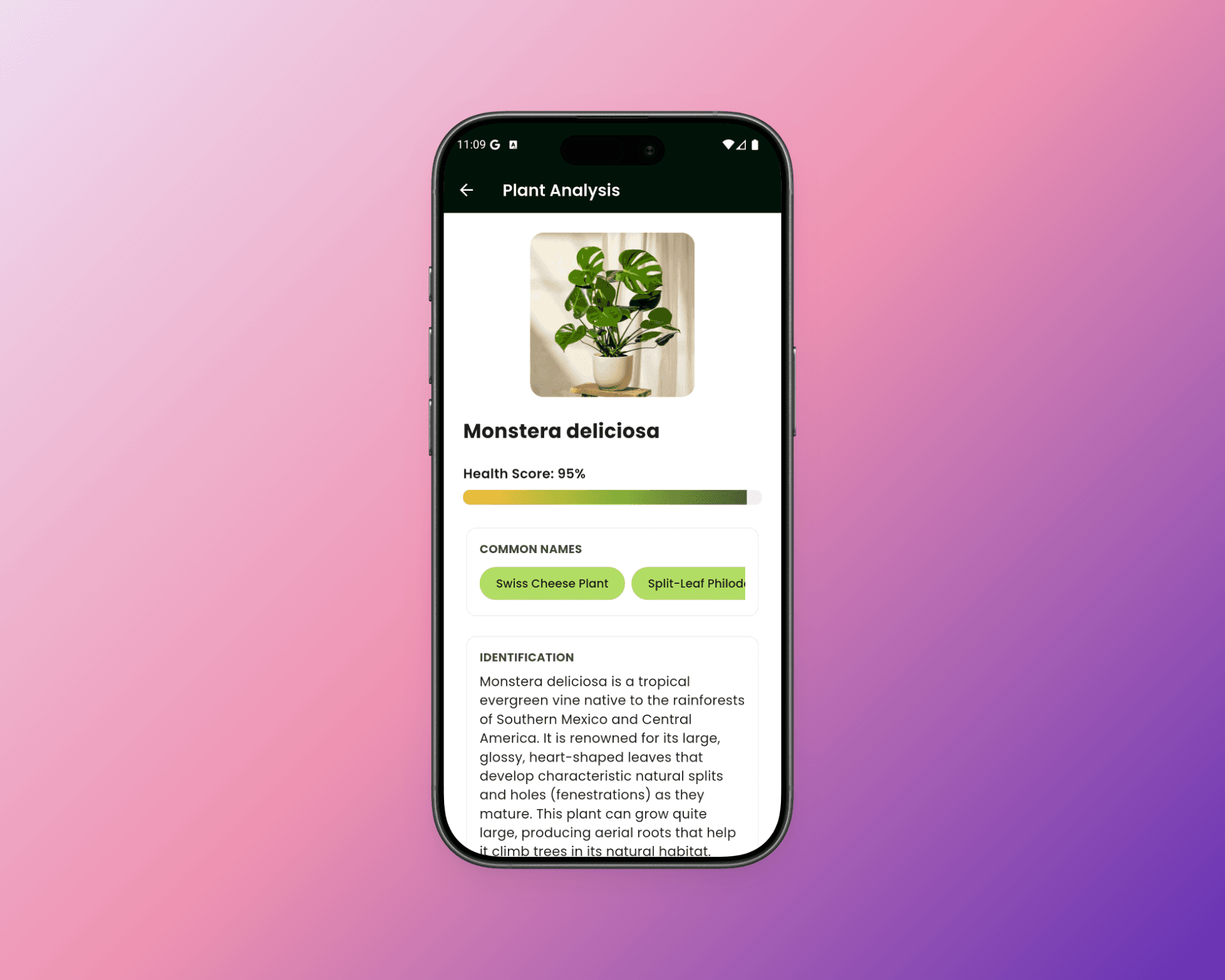
A plant identification app compares a photo with plant information to suggest what the plant may be. The useful part begins after the name appears: understanding the light, water, soil, and care signals associated with that plant.
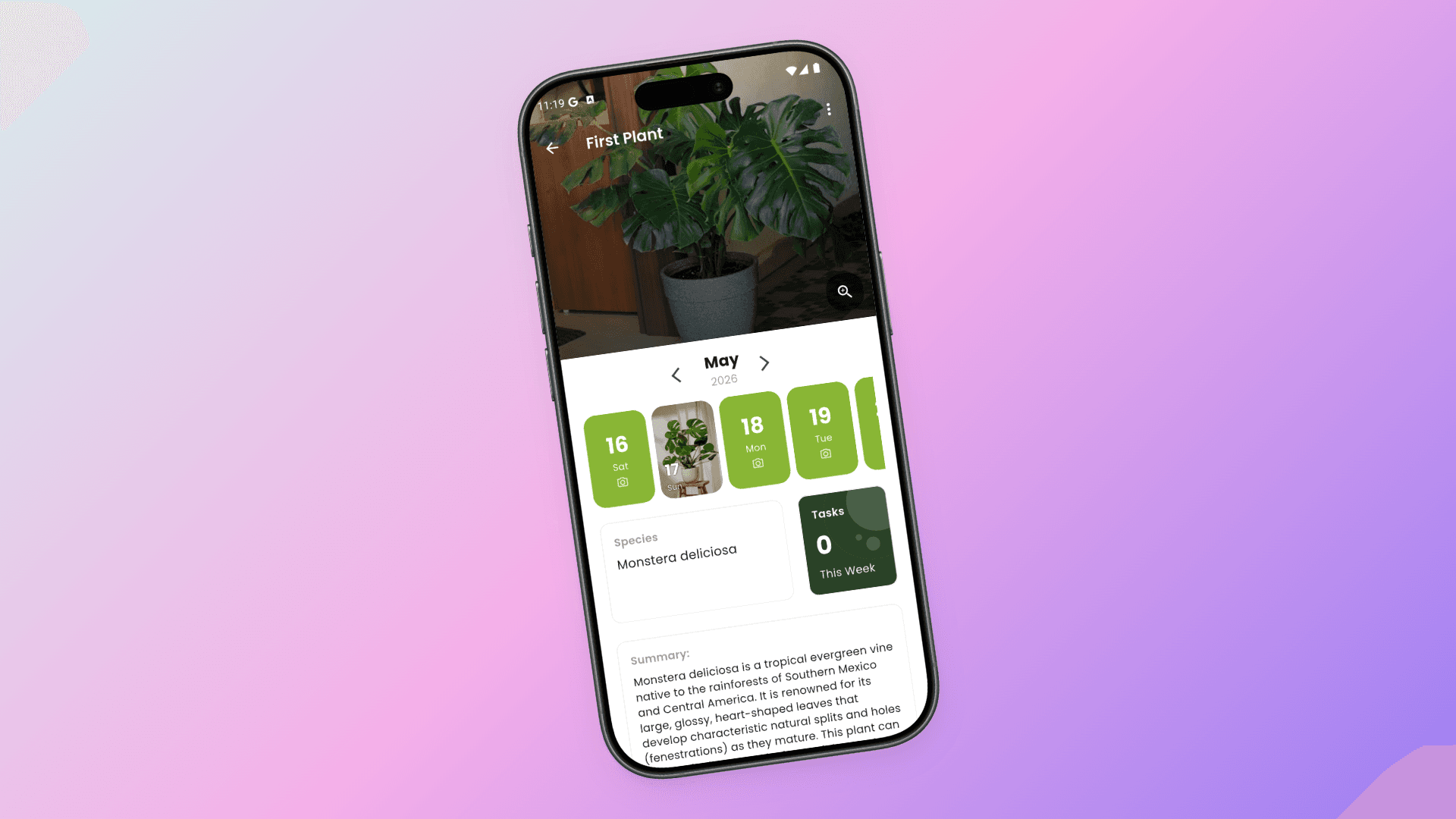
LeafNest brings identification into the rest of your collection. You can begin with a photo, save the plant to a room or garden space, and keep its information close to the tasks and routines that follow.
Use a clear photo to begin identification instead of searching through broad lists of leaves, flowers, and growth habits.
Save identified plants inside the space where they actually live, whether that is a bedroom, balcony, shared garden, or backyard.
Move from a suggested plant name to guidance about watering, light, soil, and the everyday signs worth observing.
Use articles, plant information, and your growing collection to become more confident with each new plant.
Use a well-lit image that clearly shows the leaves or other distinctive features. A focused photo gives the identification process better visual information.
Compare the result with the plant you can see. Identification is a starting point, especially when plants are young, damaged, or visually similar.
Add the plant to a LeafNest space, review its needs, and connect it with the schedule and reminders that make sense for your home.
Knowing a plant name is useful, but a name alone does not water a plant at the right time or help you notice a changing leaf. LeafNest is designed to keep identification connected to the practical work of growing.
That means the plant can live alongside its care information, scheduled tasks, related learning, and the room or outdoor space that shapes its conditions. The goal is not to collect labels. It is to make the next decision easier.
For safety, identification from an app should not be used to decide whether a plant is edible or medically safe. When health, toxicity, or consumption is involved, confirm the plant with a qualified local expert.
Photograph the plant in good light and keep the main leaves or flowers in focus. Avoid heavy filters, distant shots, and backgrounds that hide the plant’s outline.
Leaves are useful, but shape, texture, stem pattern, flowers, and growth habit can help separate plants that look similar at first glance.
Check whether the suggested plant matches what you can observe. Young plants and damaged leaves can make identification less certain, so continue learning before making high-risk decisions.
Keep exploring
Download LeafNest to begin with a photo and continue with a plant record, practical guidance, and a care routine that fits your space.